How does reading for pleasure help to support mental health and wellbeing?


‘The book is conversation starter’: Exploring the potential health benefits of reading for pleasure
Quick-read summary
Reading for Wellbeing (RfW) is a scheme that supports people to read for pleasure, with the aim of improving their mental health and wellbeing.
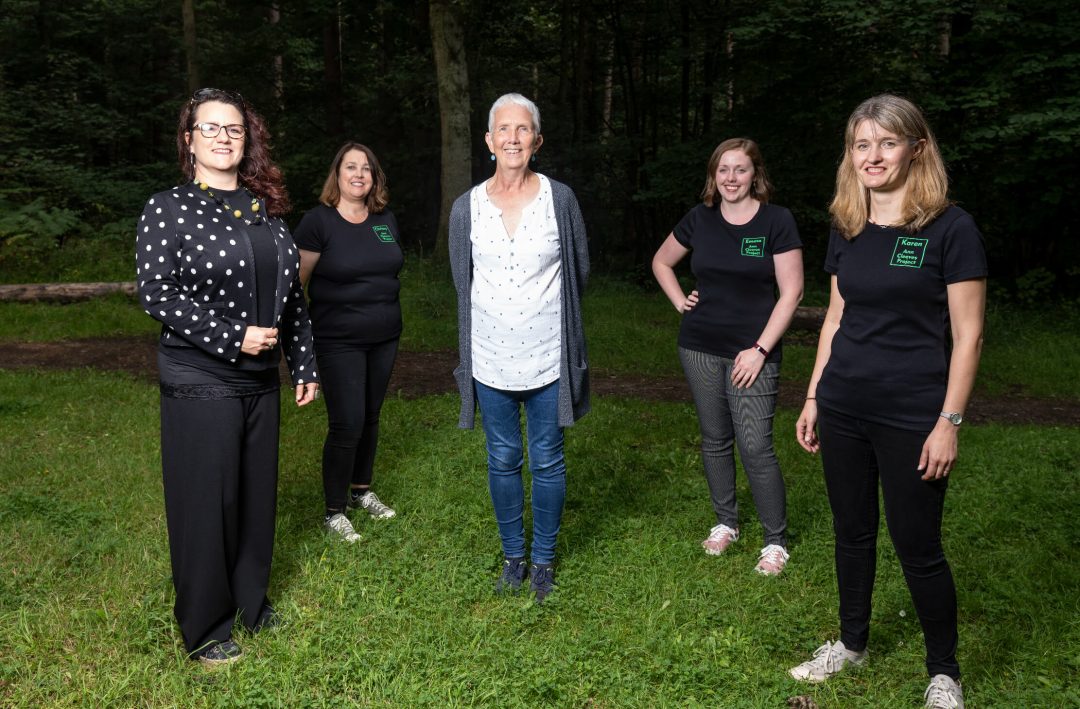
The project was initiated and part-funded by best-selling author Ann Cleeves, in recognition of the solace she’s found in stories throughout her life.
You can read more about the project, here.
You can visit the Reading for Wellbeing website, here.
The project was delivered across six local authority areas in the North East of England – and employed Community Reading Workers to support people to take up reading for pleasure as a habit.
As the project was delivered, academics at Northumbria University and Newcastle University, supported by the NIHR Applied Research Collaboration (ARC) North East and North Cumbria (NENC), conducted research to find out how Reading for Wellbeing was working, who it was working for, and in what ways. The research was also supported by colleagues from the Government’s Office for Health Improvement and Disparities.
The research involved talking to 49 people taking part in the scheme and visiting the project activities.
It found that people who liked reading and connecting with others benefited the most from Reading for Wellbeing.
The opportunity to take part in the scheme had a positive impact on how they viewed themselves and their feelings of belonging, which improved their health and wellbeing.
Who is this evidence useful for?
Practitioners and policy makers, community and academic members interested in non-clinical interventions, particularly reading for pleasure, to improve health and wellbeing
What is the issue?
There is a growing body of evidence suggesting reading could improve mental health. These studies focus on the effects reading has on individuals. There are not many studies looking at the impact of reading for pleasure on mental health and a fewer of these look at the effects of reading in groups, or explore how the reported effects happen.
This study looked at the impacts of reading for pleasure in groups, with a view to understanding how the impact happens.
Research summary
The research team spoke with 49 participants who took part in Reading for Wellbeing and visited project activity sessions in different settings, three times. They also spoke with Community Reading Workers and local authority staff who were involved in delivering the project.
What the research found
Why is this important?
The findings are important for decision makers who are thinking of setting up similar programmes.
The programme was not about learning to read, but about reading for enjoyment, so literacy programmes work very differently.
This is the first study that helps understand how reading for pleasure can make people feel better; through connection, peer support, and empathic discussions.
The passion, skills, and knowledge of community reading workers are essential for the effectiveness of the project.
Reading for Wellbeing is now being introduced in other local authority areas in the North East, and these research findings will help the Reading for Wellbeing team to tailor and refine the scheme so that it can have the most impact.
How were members of the community involved in this work?
The research team spoke with community members on three different occasions to make sense of our findings. Their feedback helped them to decide what questions to ask and how to analyse the data.
Key recommendations
Get in touch about this research
You can email the lead researchers:
Link to full paper
The findings from this research have been published in BMJ Medical Humanities – April 2024